
Milk and Dairy Pumps: 7 Mistakes to Avoid in Hygienic Pumping
Within the dairy production sector, the milk and dairy pumps are a fundamental element that directly impacts product quality, hygienic safety, and line continuity. Choosing or managing it incorrectly means exposing yourself to contamination, waste, plant downtime, and critical issues during audits.
This article is based on a real-world application—the transfer of cream for the production of burratina, mozzarella, and caciocavallo—and identifies the 7 most common mistakes encountered in hygienic pumping lines for milk and dairy products, along with practical tips on how to prevent them.
What are the risks involved in pumping milk and dairy products?
Milk, cream, whey, yogurt, and mixtures for fresh cheeses are biologically active products: they contain shear-sensitive proteins, fats that tend to separate, and lactose that can promote bacterial growth in stagnant areas. Unlike other food fluids, improperly calibrated pumping of these products can have immediate and measurable effects on the final quality. In addition, the circuit in which a dairy pump operates is subject to frequent CIP washdowns, cycles with aggressive detergents—both caustic and acidic—and stringent internal hygiene requirements. It is a context in which any error in selection or installation has concrete consequences for the product, safety, and audits.
Mistake 1: Sizing the milk pump based solely on the nominal flow rate
The first mistake, and also the most common, is selecting the milk pump based almost exclusively on the nominal flow rate indicated in the process sheet, ignoring the following critical factors:
- Variation in viscosity among the products being transferred (milk vs. cream vs. cream for burratine).
- Operating temperature (cold milk before heat treatment vs. products at process temperature).
- Actual line elevation differences and pressure drops in fittings (valves, bends, filters).
- Any manual emptying phases using a flexible hose, which alter the suction conditions.
Correct selection, on the other hand, starts with a complete process window: minimum and maximum flow rates, required head, characteristics of all products transferred on the same line, and actual suction conditions.
Mistake 2 – Underestimating Foam and Air Entrapment
In a milk line, foam and trapped air are not just an aesthetic issue. They can alter volumetric or mass measurements, create discontinuities in container filling, increase the risk of oxidation, and, in the case of products like cream for burratine, compromise the structure and consistency of the final product. A milk pump selected without considering this aspect can generate excessive turbulence, pressure surges, or inconsistent flow rates, especially when operated far from its optimal operating point. Hygienic double-diaphragm (AODD) pumps with smooth internal passages and proper control of drive air pressure significantly reduce these risks, ensuring a constant and gentle flow even with sensitive products like cream.
Mistake 3 – Failing to verify compatibility between materials, CIP, and products
A dairy processing line involves CIP cycles using caustic soda, acids, and disinfectants, often at high temperatures. If the materials of the milk pump—namely the body, diaphragms, seals, and valves—are not compatible with these agents and temperatures, a silent degradation process begins: swelling, micro-cracking, and accelerated wear of internal surfaces.
The risk is not always immediate: a pump may appear to function properly for months and only begin to release particles or lose its seal after many intensive CIP cycles. In a fresh cheese plant, where hygiene and food safety are non-negotiable, this type of silent failure is particularly critical.
Proper verification requires cross-referencing three variables: transferred products (milk, cream, custard), detergents used in CIP cycles, and the actual temperatures and durations of the washes. All of this must comply with MOCA requirements (for food contact) and, where applicable, with 3-A or EHEDG standards.
Mistake 4 – Neglecting Drainage, Emptying, and Dead Spots
In any dairy plant, any point where product can stagnate is a potential bacterial hotspot. If the dairy pump is not installed with the correct orientation, or if it lacks internal drainage geometries, cream or milk residues may remain inside the pump chamber or in downstream piping sections after emptying. The solution is designed upstream: hygienic internal pump geometry, the ability to rotate the housing, proper pipe slopes, Quick Emptying systems, and drain valves at the lowest points of the circuit.
Mistake 5 – Using the same configuration for products with very different properties
In dairy facilities that produce a variety of products (burrata, mozzarella, caciocavallo, and fresh cheeses in general), it is common to process products with very different viscosities, temperatures, and shear sensitivities on the same production line. Forcing the same dairy pump configuration for all these products without adjustments leads to compromises that come at the expense of quality and maintenance. Here are some concrete examples:
- The optimal pumping speed for milk may be too aggressive for the cream used in burratina.
- The same pump used for cold milk may require different parameters when transferring cream at process temperature.
- Forcing high flow rates on viscous products increases membrane wear and reduces the pump’s service life.
In many cases, it is not necessary to change the pump: simply review the operating parameters, the components in contact with the product, or the suction/discharge configuration. In other cases, when the product differences are structural, it is more appropriate to evaluate a second, optimized configuration.

Mistake 6 – Failing to monitor subtle system signals
A milk pump operating outside its comfort zone will signal this before failing. Unusual vibrations, abnormal fluctuations in flow rate or pressure, unusual noises, and CIP cycles that tend to lengthen over time are signs that something is not working as it should. The problem is that in many dairy plants, these signals are ignored until an actual failure occurs, resulting in unplanned line downtime. Defining even just three or four simple KPIs helps change this approach:
- MTBF (mean time between failures) of the milk pump.
- Average duration of CIP cycles (if it increases over time, something is changing in the plant).
- Frequency of unscheduled maintenance interventions.
- Percentage of batches rejected or reworked due to pumping-related issues.
Monitoring them regularly allows for predictive, rather than reactive, intervention.
Mistake 7 – Contacting the pump supplier only after the project has already been finalized
The final mistake—and often the costliest—is treating the milk pump as a standard component to be added to an already finalized design, simply communicating the required flow rate and waiting for a proposal.
This approach eliminates the opportunity to optimize layout, connections, materials, the CIP system, and drainage management during the design phase. The result is almost always a pump that works but is not truly integrated into the process: it leads to operational compromises and requires subsequent revisions that are more expensive than an initial consultation would have been.
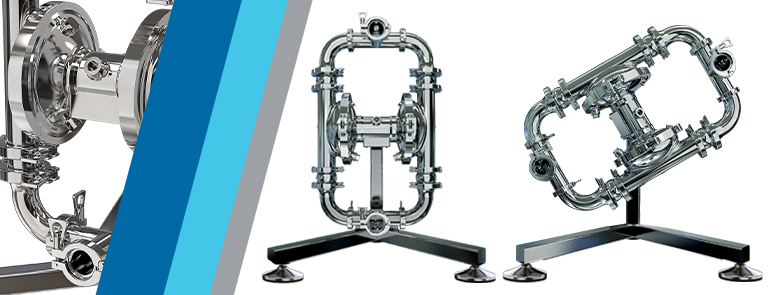
The Debem application case for burratina production is a positive example: the manufacturer chose the AISIBOXER 02 after seeing it at a trade show, recognizing in its robust construction, high hygienic quality, and ease of cleaning the features that were missing from the previous system. The involvement came at the right time, allowing for integration consistent with the specific cream transfer needs and MOCA requirements.
If you are designing or revising a line for milk and dairy products, now is the right time to involve the Debem team: the sooner we define products, CIP cycles, and layouts together, the fewer revisions will be needed later.

FAQs on the milk and dairy products pump
Can a milk pump also transfer cream and cream for fresh cheeses?
Yes, but the viscosity, operating temperature, and shear sensitivity of the product must be verified. A hygienic double-diaphragm pump like the AISIBOXER 02 is suitable for handling these types of products thanks to its gentle and controlled flow, provided it is correctly configured for the actual viscosity range.
What data is needed to properly size a dairy pump?
The minimum required data includes: type and viscosity of the products being transferred, operating temperature, minimum and maximum flow rate, required head, line characteristics (lengths, elevation differences, accessories), type and parameters of CIP cycles, and certification requirements (MOCA, 3-A, EHEDG).
How can you tell if the CIP cycle is effectively cleaning the milk pump?
Indirect indicators: consistent cycle duration over time, temperature profile in line with set parameters, absence of unusual odors after emptying. For a more structured verification, many dairy plants combine visual inspections with periodic microbiological sampling of internal surfaces.
How often is a milk pump typically used in a dairy?
It depends on the production setup. In Debem’s burratina application, the pump is used five days a week, with production cycles structured to ensure continuity and quality in every shift.
When is the right time to consider replacing or upgrading a dairy pump?
When CIP times consistently increase, when the frequency of unscheduled maintenance rises, when a new product with significantly different characteristics is introduced, or when the plant’s hygiene and regulatory requirements evolve.